
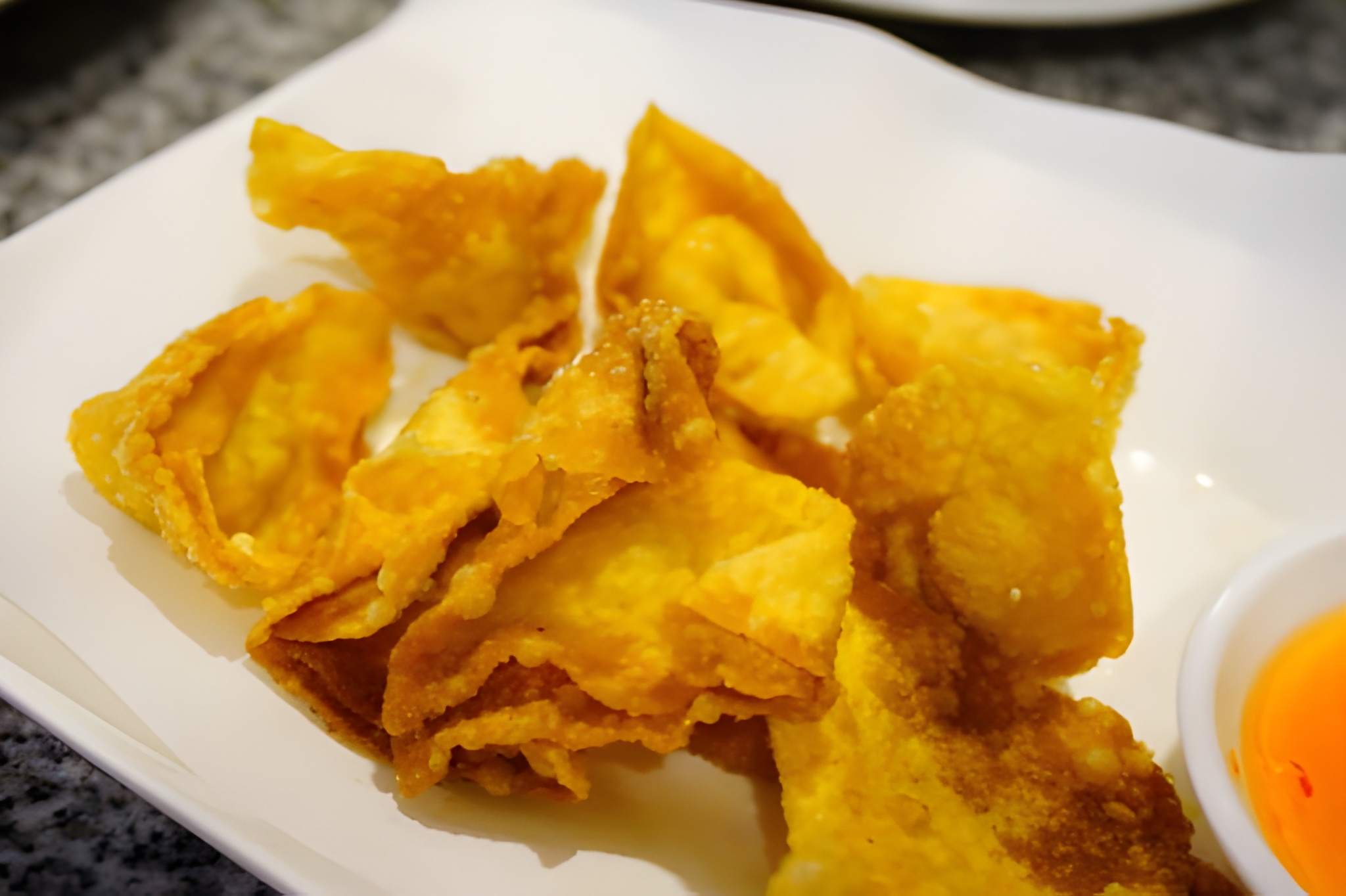
Chicken cracklings are a clever, no-waste way to put leftover skins to work, turning them into something irresistibly snackable. They shine as an appetizer, a bar snack, a salad topper, or a finishing crunch for soups and hearty mains.


Ingredient Breakdown
Chicken skins are the foundation of this recipe, and sourcing them is easier than it sounds. Ask a butcher, save them from breaking down whole chickens, or collect them from trimming thighs. Excess fat can be trimmed, but a thin layer is essential—this is what renders out and creates that signature crispness. Dryness is critical; any lingering moisture leads to steaming rather than crackling.
A savory dry rub provides the primary flavor layer. Salty blends encourage browning, smoky spices add depth, and spicy elements bring contrast to the rich fat. Because the skins are simple, seasoning choice has an outsized impact on the final result.
Optional additions allow for customization. Smoked paprika, chili powder, cracked pepper, dried herbs, or sugar-free spice blends can all be incorporated to tailor the flavor without compromising texture.
Step-by-Step Preparation Guide
If the chicken skins are frozen, thawing them in a colander allows excess liquid to drain away naturally. This step is crucial for crisp results, as trapped moisture inhibits proper rendering.
Once thawed, drying the skins thoroughly ensures the surface heat goes straight into rendering fat rather than evaporating water. This prevents limp or chewy results.
Seasoning both sides evenly guarantees consistent flavor and color. Pressing the rub lightly into the skin helps it adhere as the fat begins to melt.
A short resting period allows the seasoning to settle into the skin without drawing out moisture. This balance preserves structure while enhancing taste.
Cooking on a hot plate or flat skillet over medium-high heat provides steady, direct contact. The skins should be laid flat and spaced apart so heat circulates evenly.
Cooking flat and uncrowded ensures the fat renders slowly and evenly. Overcrowding traps steam and interferes with browning.
As the fat renders, pouring off excess oil in stages keeps the skins from shallow-frying. This controlled rendering is what creates a dry, brittle crunch rather than a greasy finish.
After cooking, draining on paper towels and allowing a brief rest lets the cracklings firm up further. Cooling is not just passive—it completes the crisping process.
Texture and Flavor Control
Heat level determines the difference between blistered perfection and scorched bitterness. Medium-high heat encourages gradual rendering without burning the proteins.
Visual cues are reliable indicators of doneness. The skins should appear golden to deep amber, with visible bubbling during cooking and a stiff, glassy texture once cooled.
If seasoning needs adjustment, a light sprinkle of salt or spice immediately after cooking adheres best while residual surface fat is still warm.

Recipe Tips
Use a heavy, flat pan to maintain even heat and prevent hot spots.
Avoid rushing; slow rendering produces superior crunch.
Flip the skins only once to prevent tearing or curling.
Pour off rendered fat gradually to encourage crisping rather than frying.
Let the cracklings rest briefly after cooking—they continue to firm up.
Store leftovers uncovered at room temperature for short-term crispness.
What to serve With this recipe
Chicken cracklings pair well with creamy dipping sauces such as garlic aioli, spicy mayo, ranch, or hot sauce. Their richness benefits from cool, tangy contrasts.
They add dramatic crunch when crumbled over salads, especially Caesar-style bowls or simple greens with sharp vinaigrettes.
As a garnish, they bring texture to creamy soups, broths, and stews, cutting through softness with each bite.
On snack boards, they hold their own alongside pickles, olives, nuts, and cheeses.
They also work as toppings for deviled eggs, mashed potatoes, or roasted vegetables, adding an unexpected layer of crunch.
frequently Asked Questions
Chicken skins can be cooked in the oven or air fryer, though stovetop cooking offers the most control over fat rendering and texture.
To prevent sticking, ensure the pan is fully preheated and avoid moving the skins too early in the cooking process.
Chewy cracklings are usually the result of excess moisture or insufficient rendering time.
They can be made ahead, but are best refreshed briefly in a dry pan to restore crispness.
Rendered chicken fat should be strained and stored refrigerated for cooking use.
Both fresh and frozen skins work well, provided frozen skins are fully thawed and dried.
Chicken cracklings are proof that simplicity, technique, and patience can turn overlooked ingredients into something exceptional. Crisp, savory, and deeply satisfying, they deliver maximum payoff with minimal effort.
Experimenting with seasonings and serving styles makes this recipe endlessly adaptable, transforming it into a reliable staple for snacks, garnishes, and bold finishing touches.

Ingredients
Savory dry rub
Chicken skins
Instructions
If the chicken skins are frozen, allow them to thaw completely in a colander set over the sink. This helps excess moisture drain away, which is key for achieving a crisp final texture. Once thawed, gently pat the skins dry with paper towels if they still feel damp.
Lay the chicken skins out flat on a clean work surface. Season both sides generously with your chosen savory dry rub, pressing it in lightly so it adheres well. Stack the skins neatly on top of one another to keep them even and easy to handle.
Let the seasoned skins rest for about 20 minutes. This short marinating time allows the seasoning to penetrate and enhances the overall flavor.
Preheat a hot plate or flat skillet over medium-high heat until fully heated. Arrange the chicken skins flat on the surface, making sure not to overcrowd the pan so they cook evenly and crisp rather than steam.
Cook until the underside turns deeply golden and crisp, then flip each skin carefully to cook the other side. As the fat renders, periodically pour off excess oil into a heat-safe, empty container to prevent the skins from frying too aggressively.
Once the skins are uniformly crisp and browned, transfer them to a plate lined with paper towels to absorb any remaining oil. Allow them to cool slightly before serving, as they will continue to crisp up as they rest.
Serve warm with your favorite dipping sauce for a crunchy, savory snack or garnish.
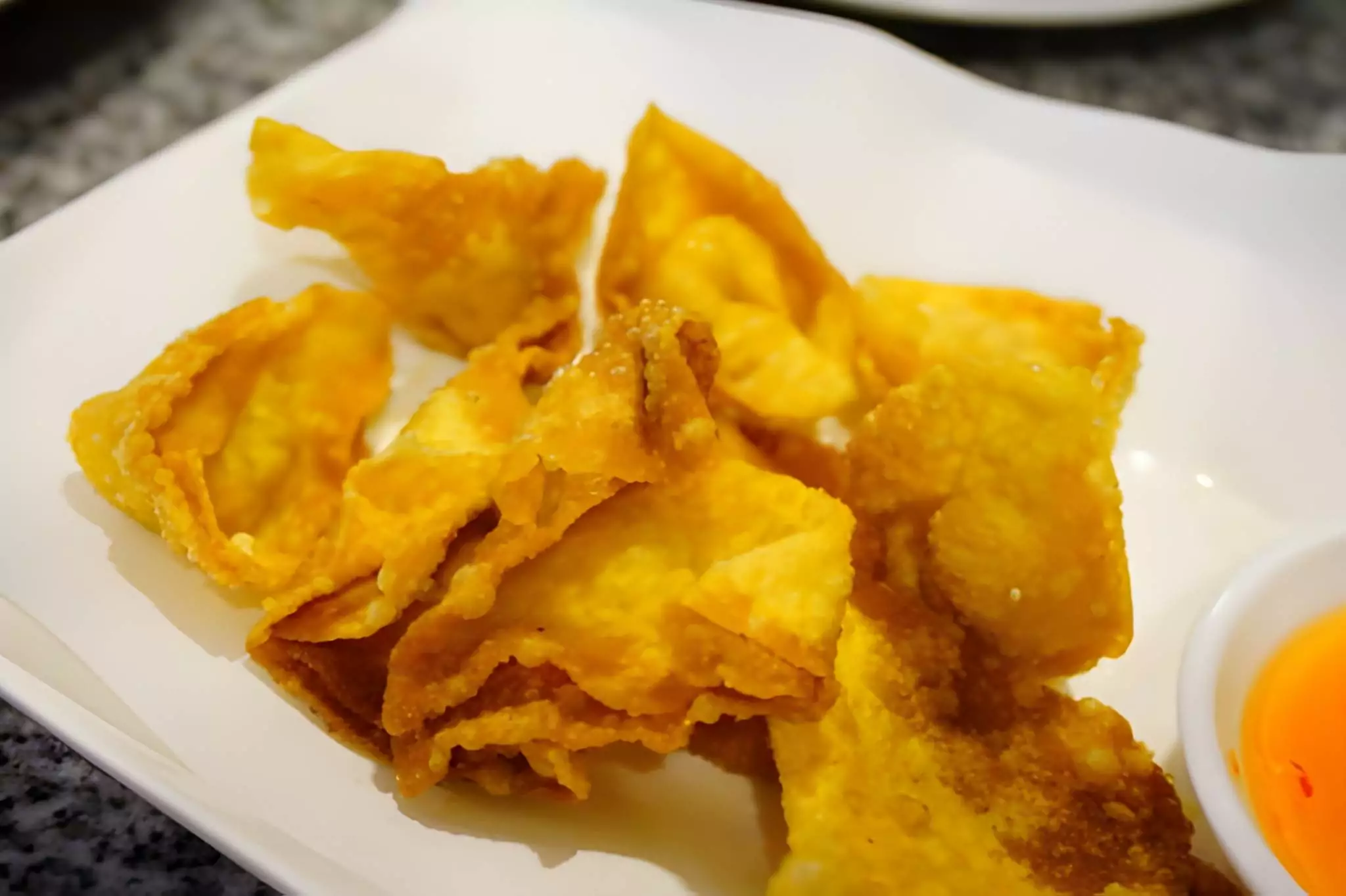
Easy Crispy Chiken Cracklings Recipe
Ingredients
- Savory dry rub
- Chicken skins
Instructions
- If the chicken skins are frozen, allow them to thaw completely in a colander set over the sink. This helps excess moisture drain away, which is key for achieving a crisp final texture. Once thawed, gently pat the skins dry with paper towels if they still feel damp.
- Lay the chicken skins out flat on a clean work surface. Season both sides generously with your chosen savory dry rub, pressing it in lightly so it adheres well. Stack the skins neatly on top of one another to keep them even and easy to handle.
- Let the seasoned skins rest for about 20 minutes. This short marinating time allows the seasoning to penetrate and enhances the overall flavor.
- Preheat a hot plate or flat skillet over medium-high heat until fully heated. Arrange the chicken skins flat on the surface, making sure not to overcrowd the pan so they cook evenly and crisp rather than steam.
- Cook until the underside turns deeply golden and crisp, then flip each skin carefully to cook the other side. As the fat renders, periodically pour off excess oil into a heat-safe, empty container to prevent the skins from frying too aggressively.
- Once the skins are uniformly crisp and browned, transfer them to a plate lined with paper towels to absorb any remaining oil. Allow them to cool slightly before serving, as they will continue to crisp up as they rest.
- Serve warm with your favorite dipping sauce for a crunchy, savory snack or garnish.