
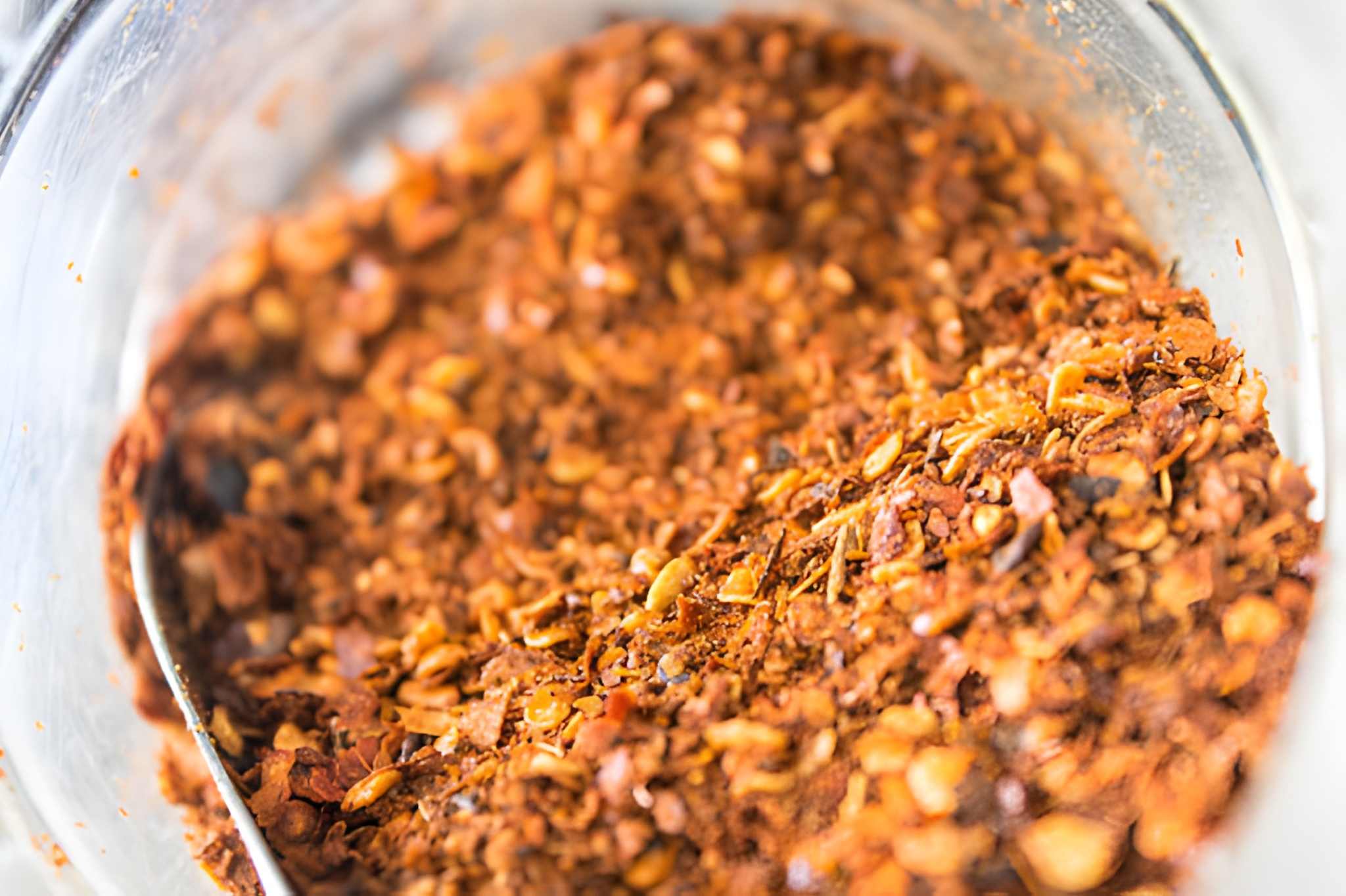
Savory Dry Rub is the kind of pantry-built seasoning that instantly adds dimension to meats, poultry, and even sturdy vegetables. It balances salinity, gentle heat, and herbaceous fragrance, creating a surface-level “crust” that tastes fuller the longer it rests. Used correctly, it clings well, seasons evenly, and transforms simple cuts into something that feels deliberately crafted.

Ingredient Breakdown
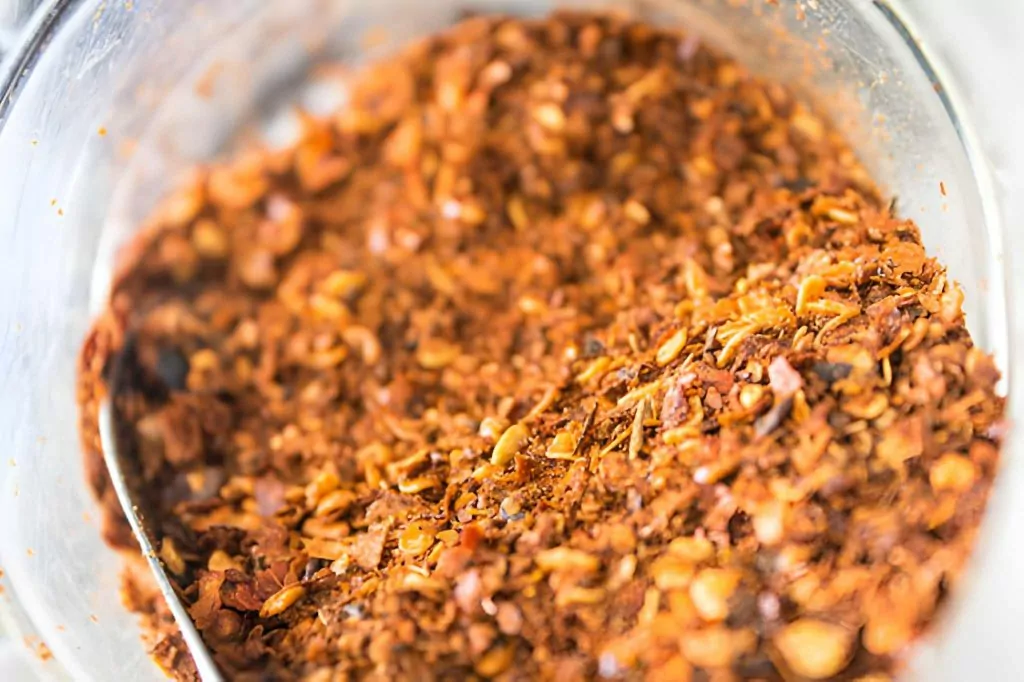
Sea salt is the structural backbone here; it doesn’t just sit on the exterior, it draws a touch of moisture to the surface, helping the spices hydrate and bond while also amplifying the flavor of the meat itself. Sweet paprika brings warm, rounded sweetness and that unmistakable brick-red hue, which helps develop a more appetizing, richly colored finish during cooking. Garlic powder and black pepper contribute the “snap” and aroma—garlic adds a savory baseline while pepper delivers a clean, peppery bite that stays noticeable after heat hits the surface. The dried herbs (oregano, thyme, and rosemary) give the blend a classic savory profile, shifting it from generic seasoning into something more complex and woodsy. Cayenne is the adjustable accelerator: just enough to wake up the palate without drowning out the herbs and paprika. If you include cumin and coriander, you’ll introduce an earthier, slightly citrus-leaning undertone that reads more barbecue-adjacent and adds extra depth on grilled or roasted proteins.
Step-by-Step Preparation Guide
Start with accurate measuring in a bowl that gives you room to mix—too small and you’ll end up with uneven distribution, which can create “hot spots” of salt or cayenne. Once everything is in, stir thoroughly, pressing out any clumps (paprika and garlic powder are the usual culprits) until the blend looks uniform and free-flowing. When it’s time to apply, coat all sides of the meat and press the rub in lightly; that gentle pressure helps the seasoning adhere instead of shedding off during handling. You may not need the entire batch—how much you use depends on the size, shape, and surface area of the protein, and thin cuts often need less than thick roasts. After seasoning, allow the meat to marinate for at least 4 hours, preferably overnight; the longer rest gives the rub time to “set,” resulting in deeper seasoning and a more cohesive crust when cooked. For food safety and better flavor, keep the meat covered and chilled while it rests, then let it sit briefly at room temperature before cooking if your method benefits from it. Any leftover rub should be kept completely dry in an airtight container; label it, store it away from heat and steam, and discard it if it ever picks up moisture or forms stubborn clumps.
Recipe Tips
Use dry meat (better adhesion, better browning):
Pat the protein dry before seasoning so the rub grips the surface and browns cleanly instead of turning pasty.
Don’t oversalt (adjust for brined or pre-salted cuts):
If your meat is already salted, brined, or coming from a salty marinade, reduce the amount of rub you apply and rely on paprika and herbs to carry the flavor.
Heat control (cayenne without chaos):
Increase cayenne in small increments; too much can make the blend taste harsh rather than pleasantly warm.
Even coverage (thick cuts vs thin cutlets):
Thick cuts benefit from a heavier, pressed-on coating; thin cutlets need a lighter hand to avoid an overly salty bite.
Rest time strategy (quick vs optimal):
If you’re short on time, a 30–60 minute rest still improves adhesion, but 4 hours to overnight delivers a more integrated, seasoned finish.
Cooking compatibility (where it shines):
This rub performs well for grilling, roasting, air frying, pan-searing, and smoking—any method that rewards a dry surface and develops a flavorful crust.
Batch scaling (keep ratios consistent):
Doubling or tripling works perfectly as long as you keep the same proportions; mix extra well to avoid pockets of salt or cayenne.
What to Serve With This Recipe
This rub plays well with chicken thighs and wings, steaks, ribs, lamb chops, pork shoulder, and even fish fillets—just use a lighter coating on delicate seafood so the seasoning doesn’t overwhelm. For sides, lean into hearty, comforting pairings like roasted potatoes, grilled corn, coleslaw, rice pilaf, garlic butter green beans, or mac and cheese; they complement the rub’s warmth and herbs without competing. Sauces can take the meal in different directions: yogurt-garlic sauce adds cool creaminess, chimichurri brings brightness, honey mustard offers sweet tang, BBQ sauce reinforces the smoky-sweet vibe, and spicy mayo gives a modern, punchy finish. For complete meal ideas, think in formats: a weeknight sheet-pan dinner with seasoned chicken and vegetables, a game-day platter of wings with dipping sauces, a grill-night spread with corn and slaw, or meal-prep bowls built on rice with sliced rubbed protein and a simple sauce.
Creative Variations
For a smoky version, swap sweet paprika for smoked paprika, or go 50/50 to keep sweetness while adding campfire depth. A citrus-herb twist can be done with lemon zest used immediately (for freshness) or dried lemon peel powder for a longer shelf life. If you want a sweet-heat rub that caramelizes beautifully on grills, add a small amount of brown sugar—just be mindful that sugar can darken quickly over high heat. To steer it Mediterranean, boost oregano and rosemary and add a pinch of sumac for a tart, fragrant edge. For a taco-style profile, emphasize cumin and coriander and add chili powder for a more chili-forward character. If you’re cooking for a low-heat crowd, omit cayenne entirely and slightly increase paprika to keep warmth without noticeable spice.
Common Mistakes to Avoid
Applying the rub to wet meat is a frequent misstep; moisture can create patchy clumps and prevent a clean, crisp crust from forming. Overloading thin cuts is another issue—too much seasoning on a small piece can taste aggressively salty instead of balanced. Burning spices is avoidable: if you’re cooking hot and fast, watch your heat and consider finishing thicker cuts in the oven after searing to protect the rub’s aromatics. Skipping the rest time leaves flavor on the surface only, which can make the seasoning taste sharp rather than integrated. Finally, poor storage ruins good spice blends; keep the rub away from steam and heat so it stays dry, free-flowing, and potent.
Frequently Asked Questions
How long does this dry rub last in storage?
If kept dry in an airtight container away from heat and steam, it stays effective for months; discard if it clumps from moisture or smells dull.
Can I use this rub on chicken, beef, pork, and fish the same way?
Yes, but adjust intensity—use a lighter coating on fish and thinner cuts, and a more generous pressed-on coat for thicker meats.
Do I need oil before applying the rub?
Not usually; pressing the rub onto a dry surface helps it adhere, though a very light oil film can help on lean, smooth proteins if needed.
What’s the best marinating time if I’m in a hurry?
A 30–60 minute rest helps, but 4 hours is the minimum for deeper flavor, and overnight gives the best cohesion.
How do I make it spicier without making it bitter?
Increase cayenne gradually rather than dramatically, and keep paprika and herbs in balance so heat doesn’t dominate.
Can I leave out rosemary or swap dried herbs for different ones?
Yes; keep the overall herb quantity similar so the blend doesn’t become overly salty or overly paprika-forward.
Should I use smoked paprika or sweet paprika for better flavor?
Sweet paprika gives warmth and color; smoked paprika adds a deeper smoky note—choose based on the cooking method and flavor direction.
How much rub should I use per pound of meat?
Use enough to coat the surface evenly; larger cuts need more coverage, while smaller or thinner pieces often require less than you expect.
Savory Dry Rub is a dependable, all-purpose blend that upgrades everyday proteins with minimal effort. Mix it once, season generously but thoughtfully, and let time do the heavy lifting—especially overnight—for a richer, more layered result with a confident savory finish.

Ingredients
1 tsp dried thyme
2 Tbsp sweet paprika
1 tsp garlic powder
1 tsp black pepper
1 tsp dried oregano
2 Tbsp sea salt
1 tsp dried rosemary
½ tsp cayenne pepper depending on spice level of pepper
1 tsp cumin powder optional
1 tsp coriander powder optional
Instructions
Combine all dry rub ingredients in a small bowl. Stir thoroughly until the seasonings are evenly distributed and there are no visible clumps, especially from the garlic powder and paprika.
Sprinkle the dry rub generously over your meat, coating all sides. You may not need to use the entire batch—the amount depends on the size and type of meat you are seasoning. Press the rub in lightly so it adheres well.
Allow to marinate for at least 4 hours, preferably overnight. For best flavor, keep the meat covered and chilled while it rests, then let it sit briefly at room temperature before cooking if appropriate for your recipe.
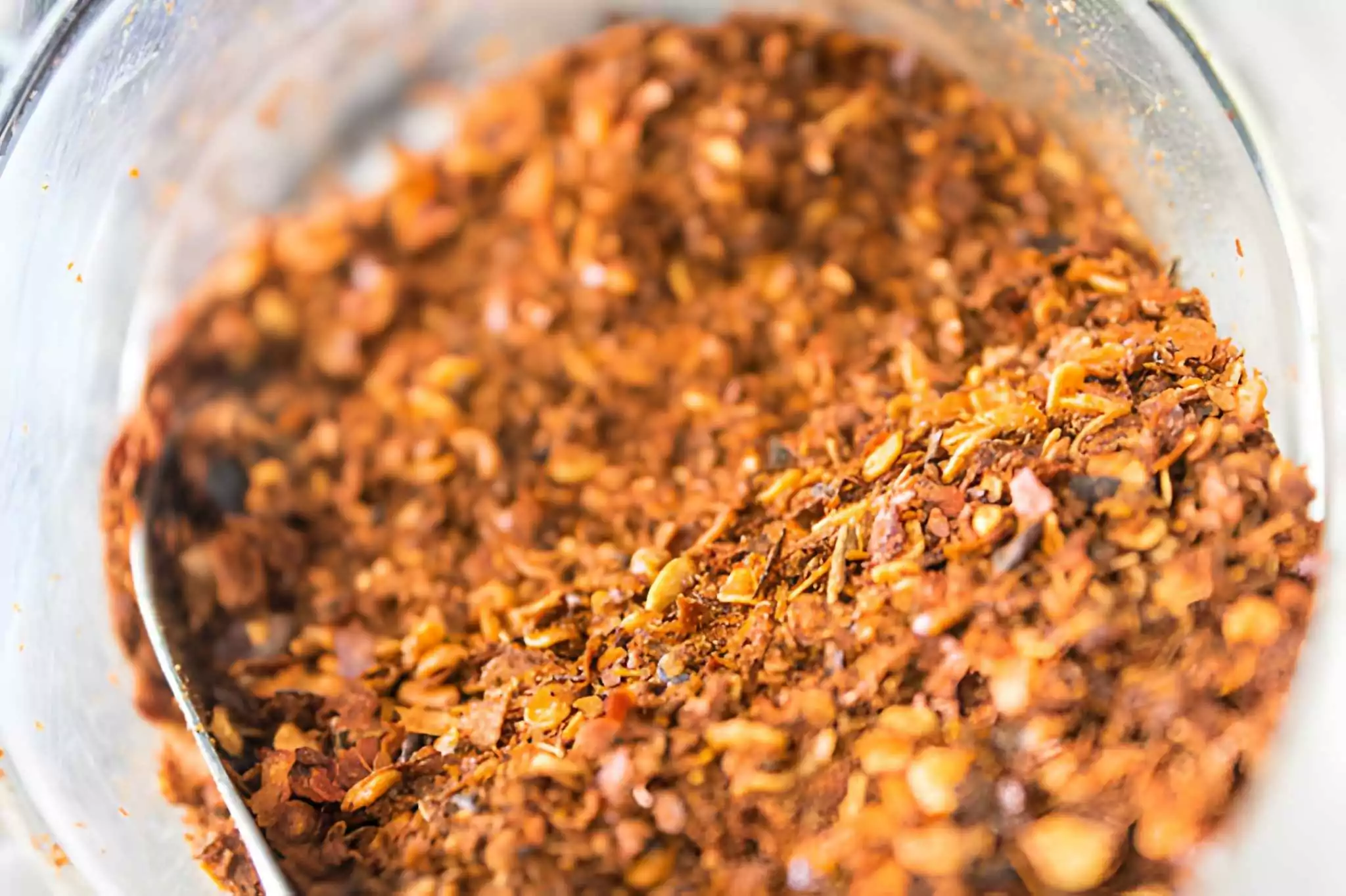
Savory Dry Rub Recipe
Ingredients
- 1 tsp dried thyme
- 2 Tbsp sweet paprika
- 1 tsp garlic powder
- 1 tsp black pepper
- 1 tsp dried oregano
- 2 Tbsp sea salt
- 1 tsp dried rosemary
- ½ tsp cayenne pepper depending on spice level of pepper
- 1 tsp cumin powder optional
- 1 tsp coriander powder optional
Instructions
- Combine all dry rub ingredients in a small bowl. Stir thoroughly until the seasonings are evenly distributed and there are no visible clumps, especially from the garlic powder and paprika.
- Sprinkle the dry rub generously over your meat, coating all sides. You may not need to use the entire batch—the amount depends on the size and type of meat you are seasoning. Press the rub in lightly so it adheres well.
- Allow to marinate for at least 4 hours, preferably overnight. For best flavor, keep the meat covered and chilled while it rests, then let it sit briefly at room temperature before cooking if appropriate for your recipe.